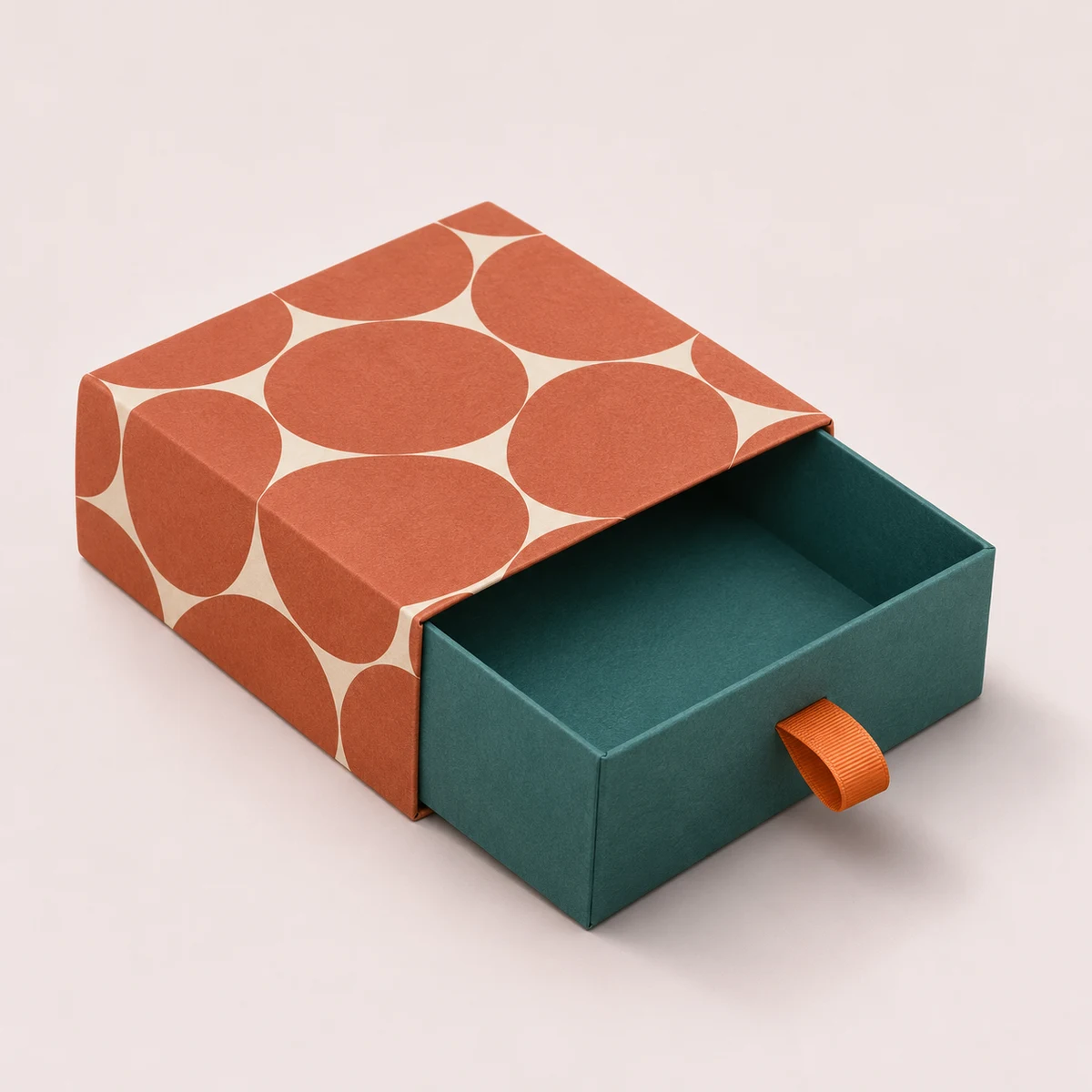
A clearer brief makes a better package.
Seven details to gather before your next packaging quotation.
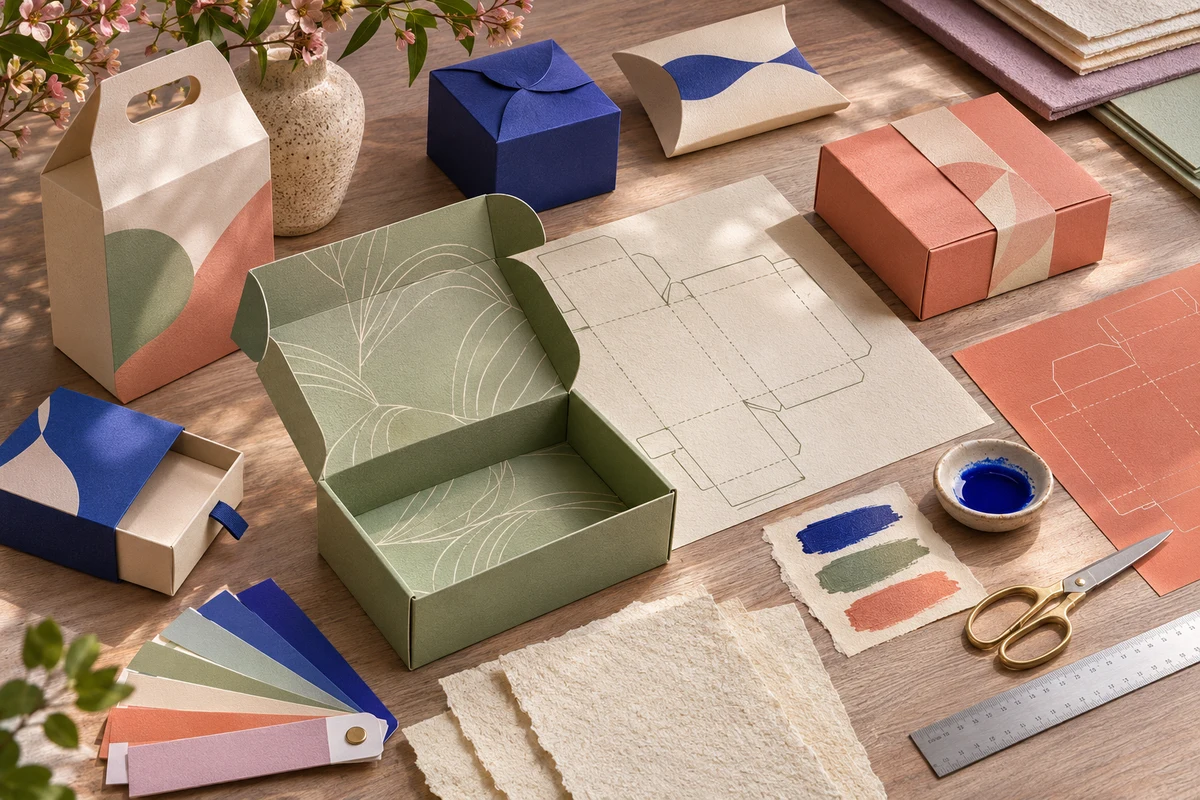
01 / Gather seven useful starting points
You do not need a finished packaging design to start a conversation. A clear description of the product and its intended use is more useful than a long list of effects without context. Use the checklist below to organise what you already know.
| Include | Useful detail |
|---|---|
| 1. Product dimensions | Length, width and height, plus a photo of the full assortment |
| 2. Packed weight | The product and everything supplied with it |
| 3. Quantity | An initial order estimate and any separate versions |
| 4. Sales channel | Online delivery, retail handover, display or gifting |
| 5. Destination | Where the finished packaging and packed products will travel |
| 6. Target timing | Your intended launch or arrival date, with any flexibility |
| 7. Artwork status | Brand files, a draft layout or an idea still to develop |
02 / Show how the products sit together
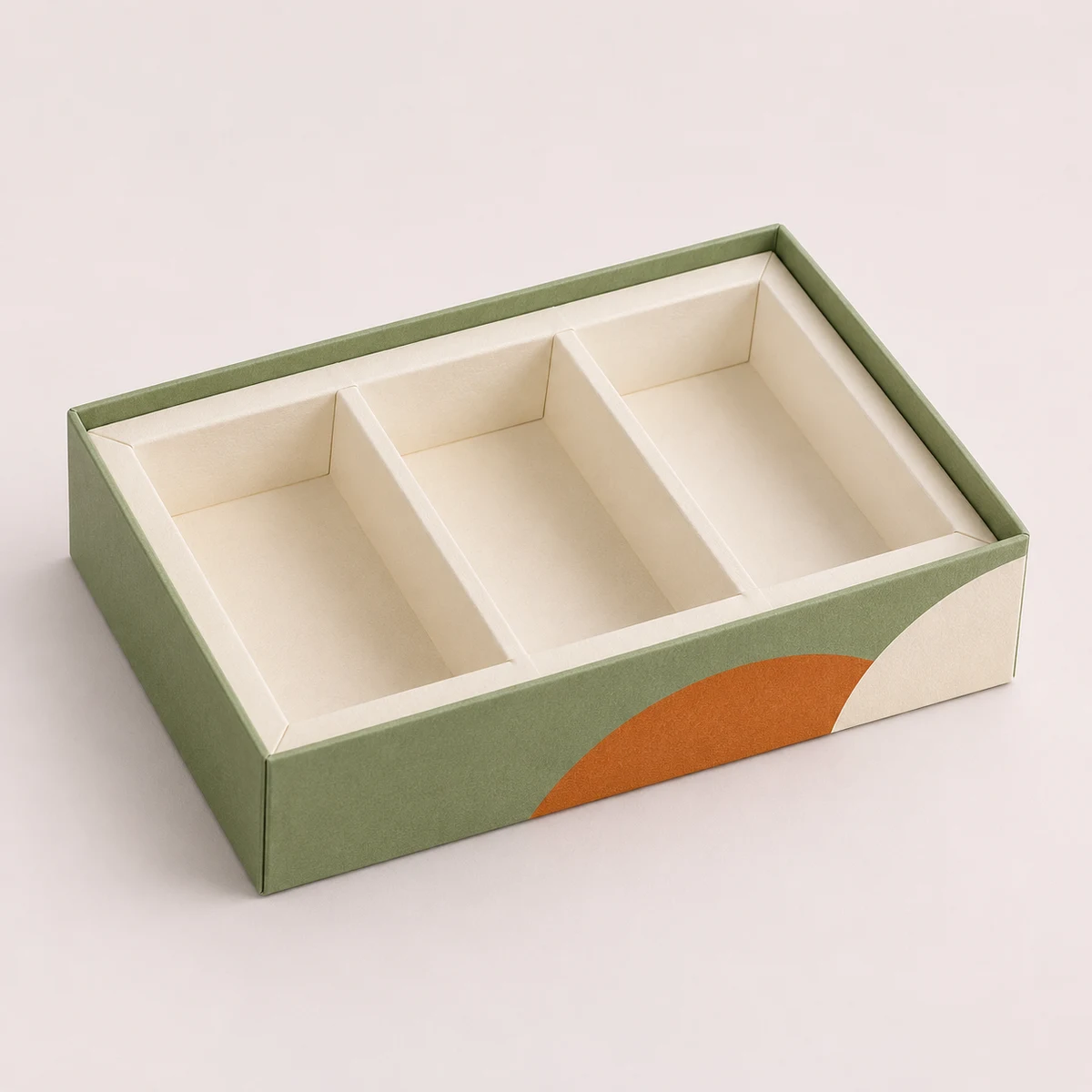
Photograph the products as a set, or sketch a simple top view. Identify the pieces that need separate compartments and the item that should be seen first. A rough drawing is enough to explain the arrangement.
Include the small things: a cable, a leaflet, a card or a refill can change the required internal space. If the range has several sizes, explain which products need to share a common packaging format.
03 / Separate essentials from possibilities
State what the pack must achieve before listing optional finishes. The core requirement might be a tidy retail display, a repeatable packing process or a gift presentation with a particular opening sequence.
Then describe the details you would like to explore. If you are open to alternatives, say where: size, paper, closure or decoration. Clearly defined alternatives make a quotation discussion easier to compare.
- Essential: the product fit, intended use and required information.
- Preferred: a visual direction, paper character or opening format.
- Flexible: optional layers, decorative effects or alternative structures.
04 / Build review time into the plan
Work back from the date you need the packaging. Discuss the stages that may be needed, including structure development, artwork review, sampling and production. Confirm timing for the agreed specification rather than assuming every project follows the same schedule.
Before moving forward, keep the dimensions, materials, quantity, artwork version and delivery arrangement in one place. If any detail is still open, flag it explicitly so it can be resolved in the next conversation.